

"OpenClaw is making me really nervous," one of my students told me this week.
I made this study guide to help my students stay grounded in core computer science principles. I am using the very culprit of their anxiety, OpenClaw, as a real-world example to explain debouncing.
I understand where the anxiety comes from: unrelenting model releases, arxiv papers, agent systems everyday. It's easy to feel like you're being "bounced" around, pun intended, and falling behind.
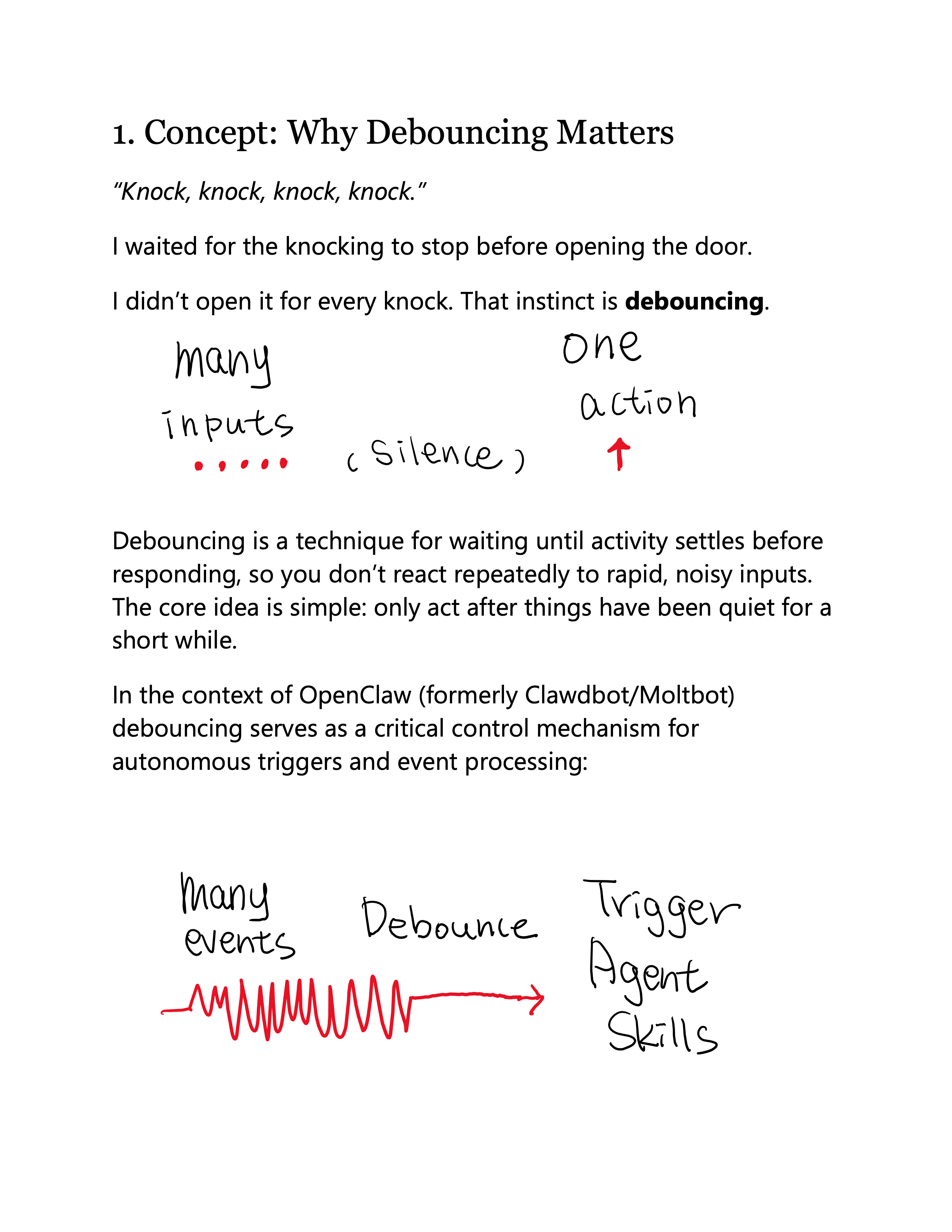
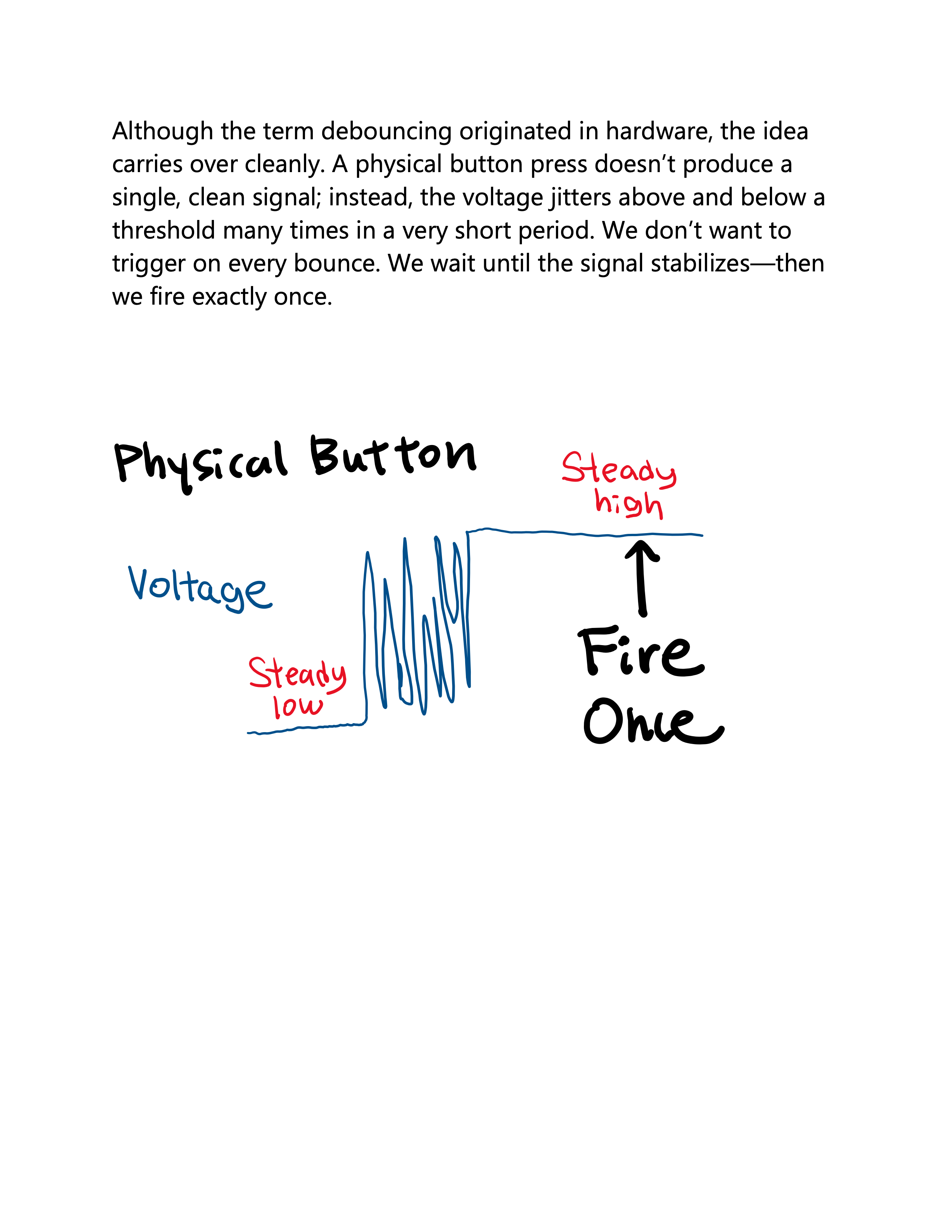
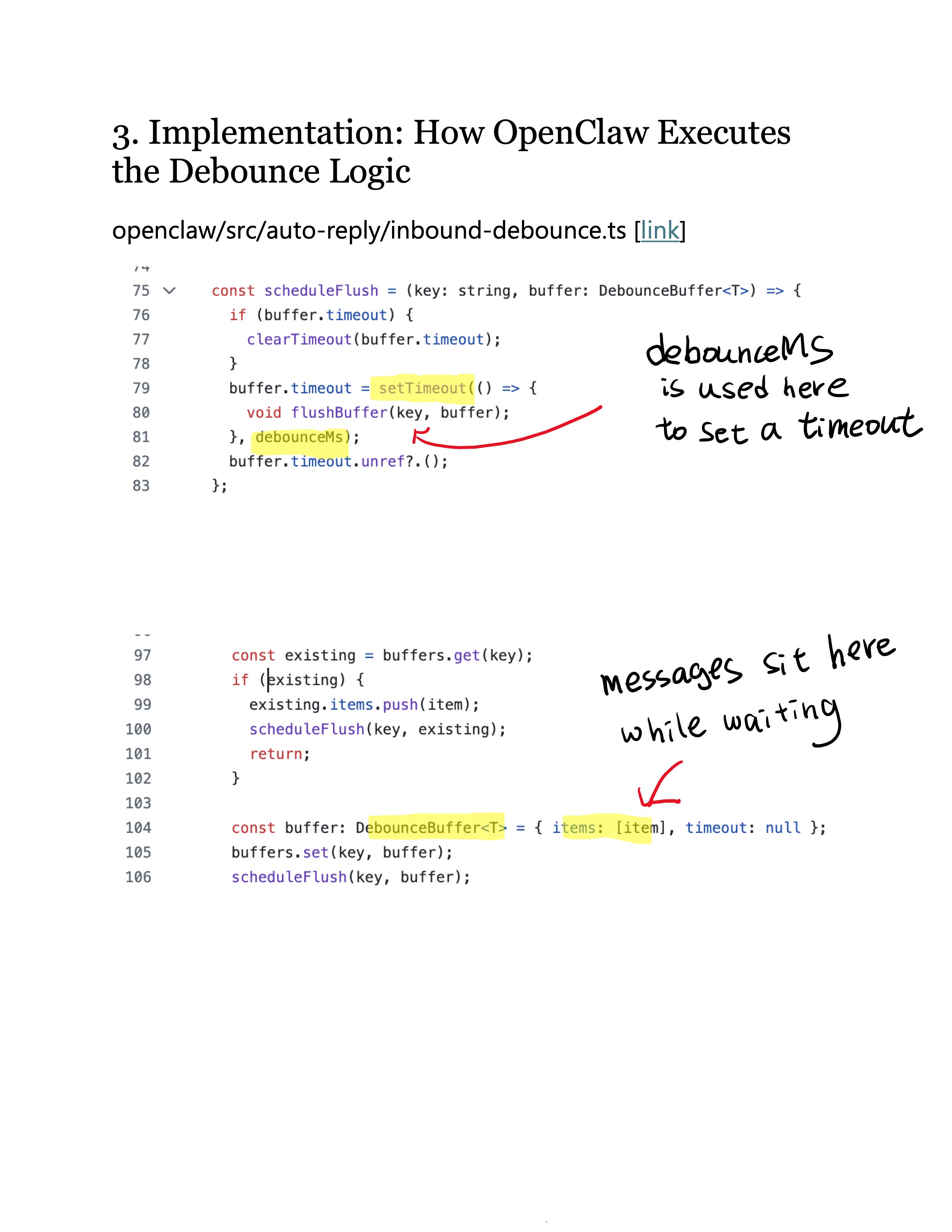
In engineering, when a signal is jumping inconsistently, we don't react to every flicker. We debounce. We wait for the true signal to stabilize before we take a meaningful action.
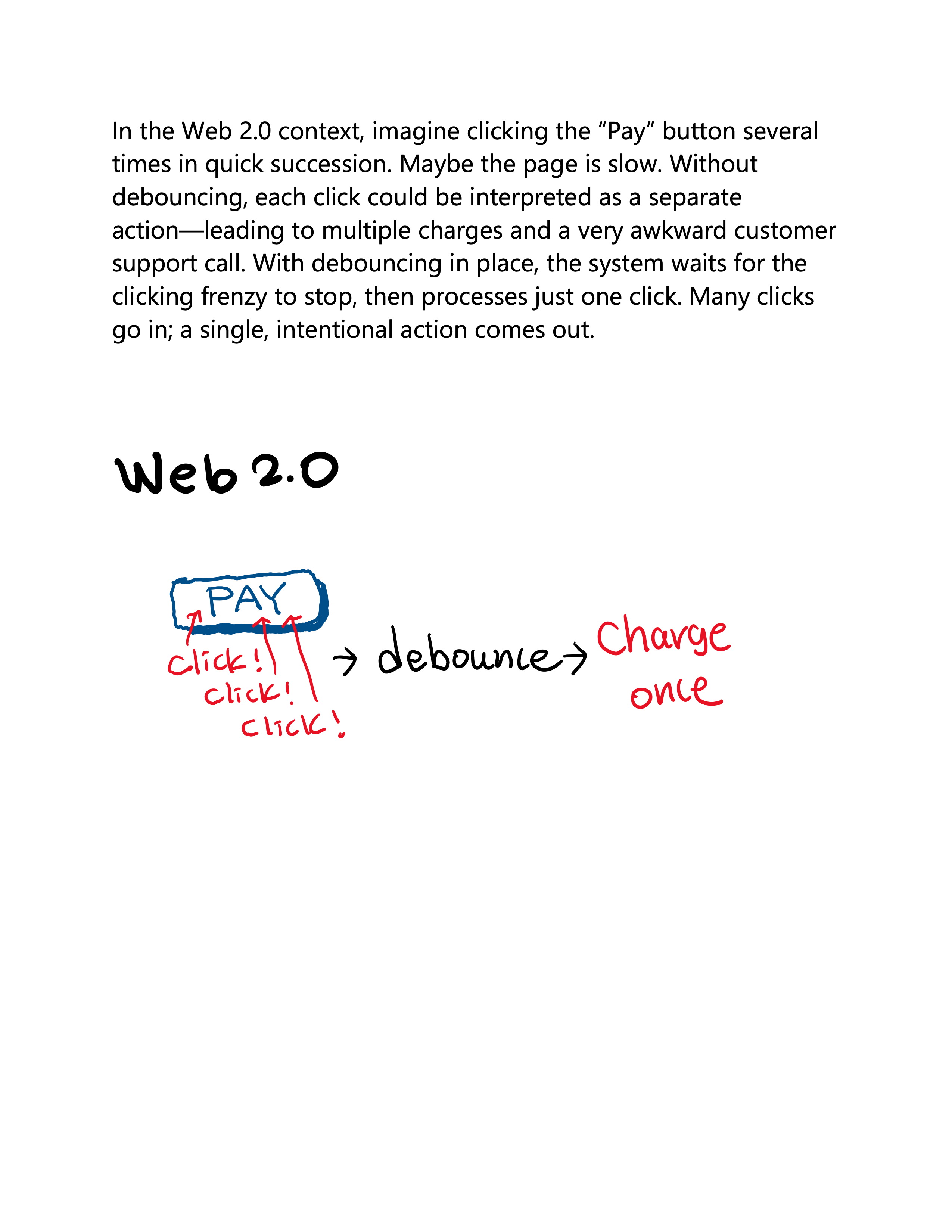
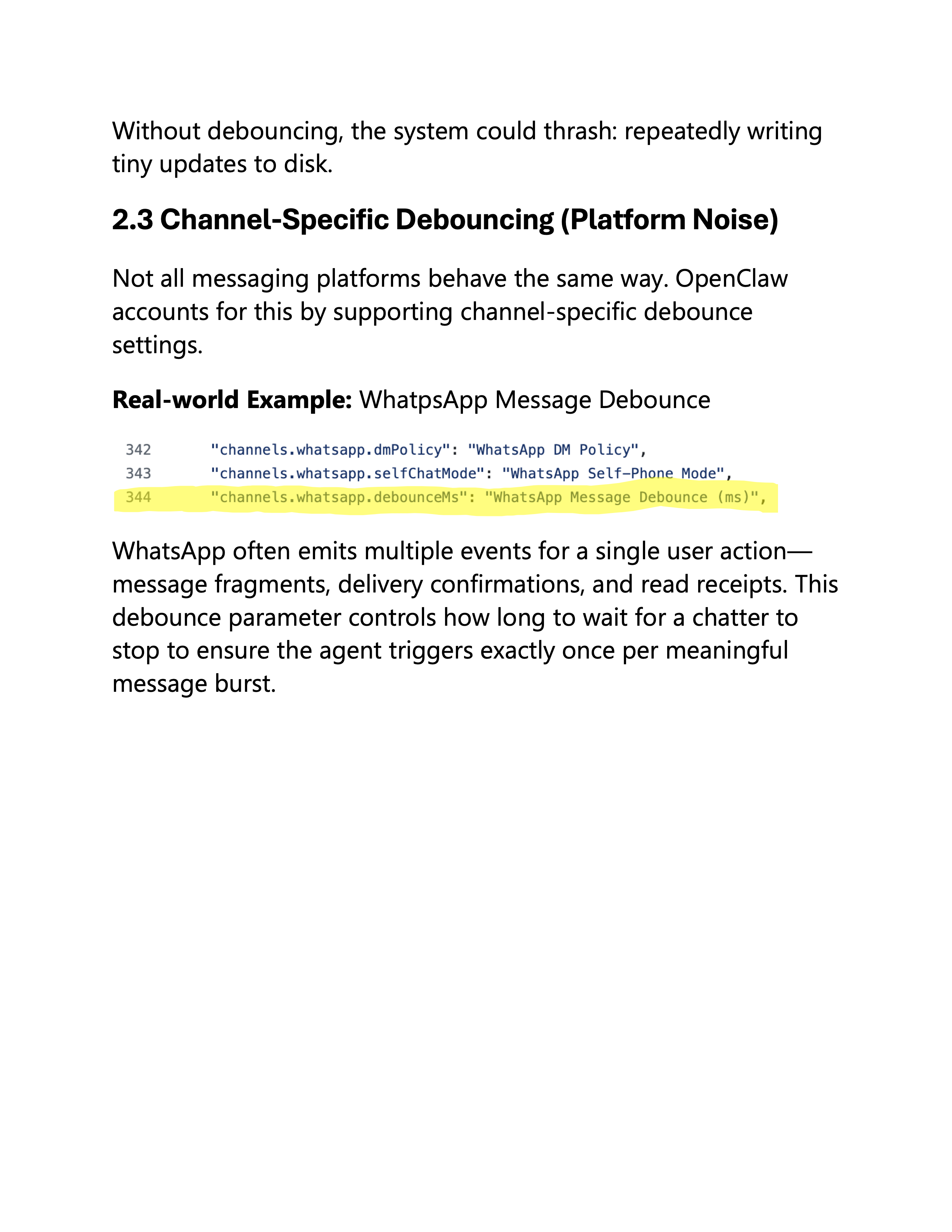
For OpenClaw, debouncing is key because it is meant to help integrate your work with high-frequency social channels such as WhatsApp, Telegram, and Slack. You can't be bounced around by every single signal.
Don't let the hype cycle jitter your learning progress. The OpenClaw hype may fade soon, but if you can understand the core CS ideas that made OpenClaw possible, such as debouncing, that understanding stays with you!
Study Guide
Download and Save

🚀 Frontier Seminar (2/19)
A good friend of mine, Val Andrei Fajardo—LlamaIndex’s Founding ML Engineer and the author of the new Manning bestseller Build a Multi-Agent System From Scratch—will be joining me as the guest expert. I expect a lot of great questions during the seminar, and I have full confidence that Andrei is one of the most qualified people to answer them live in the chat.
If you are interested in learning more how OpenClaw was designed and built from computer science principles, join the seminar: 🔗 https://luma.com/dnc2h9ao
Andrei just told me he has prepared a special surprise for all of you who can join live.
Hi prof , Tom I am undergraduate student of data science and my reserch interest lies in RL and reward modeling , can you please share some collobarion tips, I want to learn and work with your team.